Commercial Solar Panels In Bolton

Is your Bolton factory roof earning anything for the business yet?

Rooftop solar for Bolton manufacturers, from Edwardian spinning mills to new sheds off the M61

Bolton has more manufacturers employing ten or more people than any other Greater Manchester borough - 185 of them in the 2026 Nomis counts. That makes it a good place for commercial solar panels, because a factory running machinery through the working day uses most of what a roof produces at the moment it is produced. The catch in Bolton is the buildings. A good share of the town's industry still sits in, or beside, multi-storey cotton mills whose roofs were never designed to carry anything extra, and several of those mills are listed. The rest has moved into steel portal-frame sheds at places like Lostock and Logistics North, where the question is less about structure and more about grid capacity and how much you can export. We assess each kind of building on its own terms, starting with your half-hourly data and a proper look at the roof.

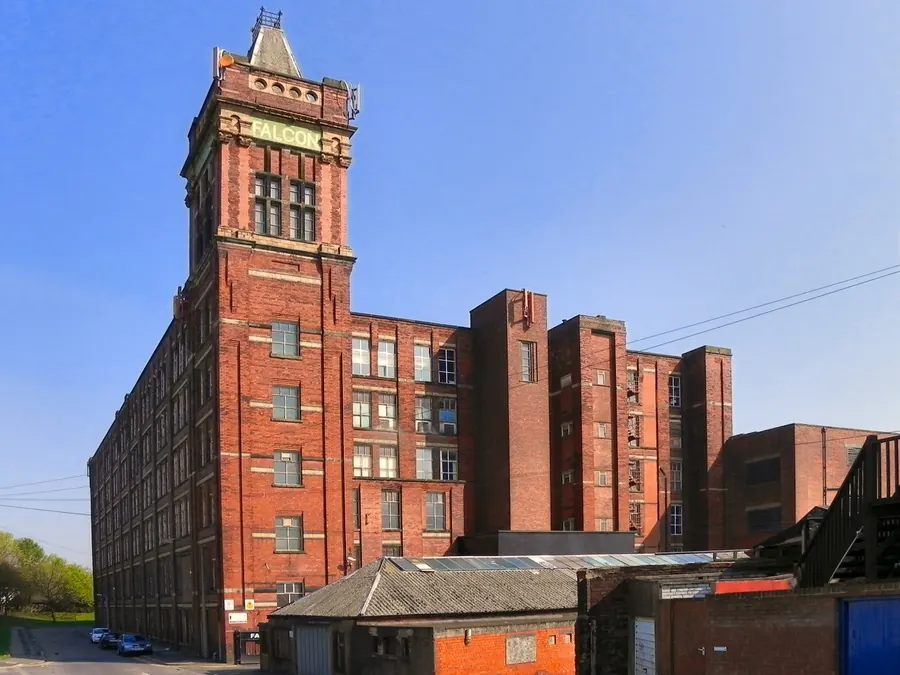
Falcon Mill, a tall red-brick former cotton spinning mill with corner tower in Halliwell, Bolton
Photo: David Dixon, Wikimedia Commons, CC BY-SA 2.0

Free Solar Survey In Bolton

We reply within one working day to book a site visit.

No charge for the survey or the proposal. Your details are only used to reply to you - see the privacy policy.

About Bolton

Bolton's working buildings: spinning mills and portal frames

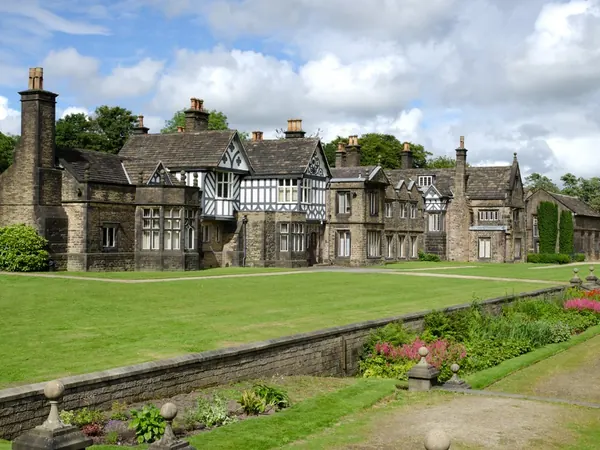
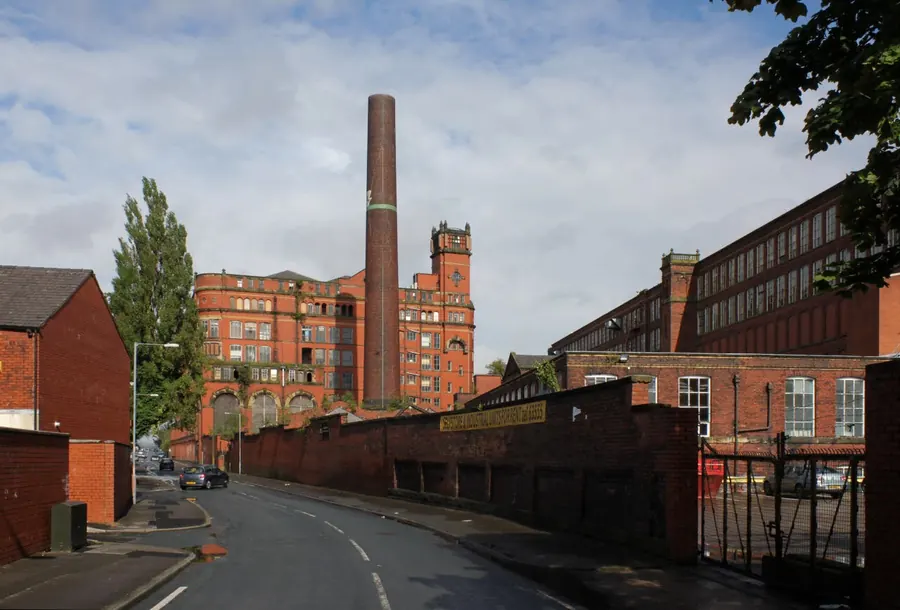
At its 1929 peak Bolton had 216 cotton mills, and a fair number still stand, now split into workshops, storage and light manufacturing. Swan Lane Mills on Higher Swan Lane in Daubhill went up in three stages - 1903, 1906 and 1914 - and the double mill was the largest spinning mill in the world when it was finished. All three are Grade II* listed. Falcon Mill on Handel Street in Halliwell, built in 1903, is Grade II. Listing matters for solar in one specific way: permitted development rights for rooftop panels do not extend to a listed building, so an array on a mill like these goes through listed building consent with Bolton Council rather than straight to installation.

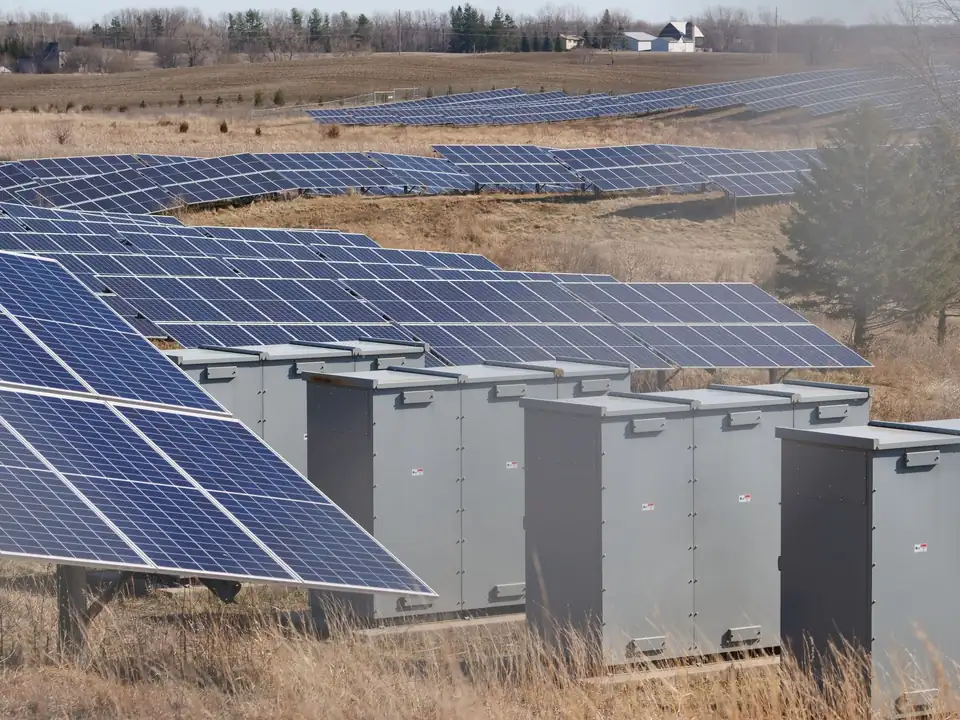
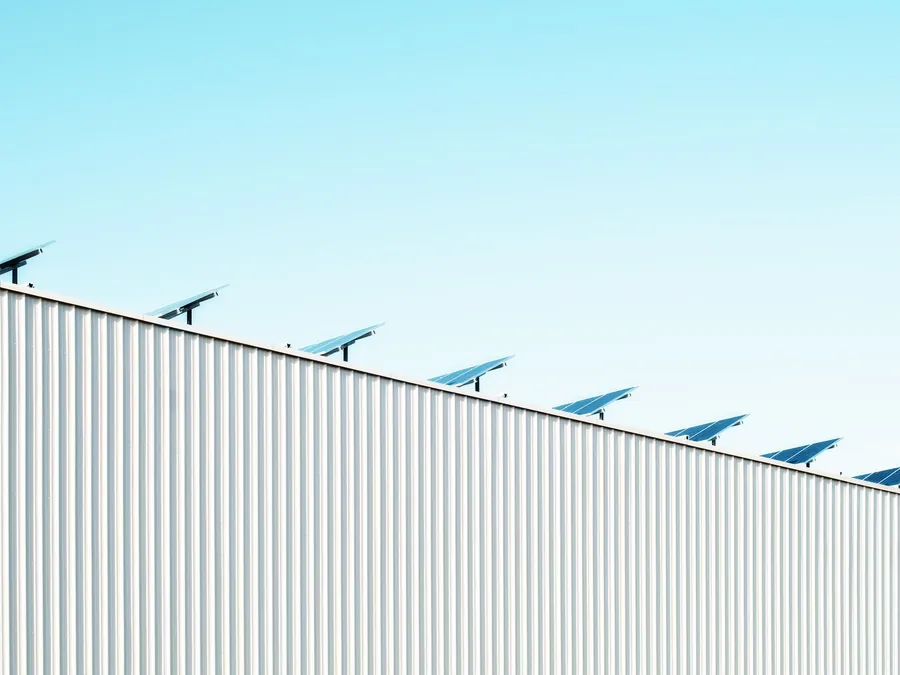
The newer side of the borough looks very different. Logistics North, at junction 4 of the M61 on the old Cutacre opencast site, has consent for 4 million sq ft of employment space. Aldi opened a 610,000 sq ft regional distribution centre there in 2016, and Whistl occupies the Logistics 225 unit. Lostock Industrial Estate, off Lostock Lane near junction 6, is mostly steel portal-frame units, and Farnworth has a smaller estate close to the A666. These roofs are wide, shallow-pitched and usually free of chimneys and lantern lights, so panel layouts are simple. What decides those jobs is the condition of the sheeting, the fixings it will accept and the import capacity at the local substation.

Swan Lane Mills and chimney rising above an industrial street in Daubhill, Bolton
Photo: Alan Murray-Rust, Wikimedia Commons, CC BY-SA 2.0

£0

Site survey and a review of your half-hourly data

kWh

Systems sized from your own meter readings

G99

Grid application drawn up and submitted for you

M17

Based on Trafford Wharf Road, Trafford Park

Our work in Bolton

What we fit for Bolton firms

Why solar suits Bolton's manufacturing base

The case is strongest where a building runs plant through daylight hours, and that describes a lot of Bolton. These are the points we tend to put to a finance director here.

Daytime load meets daytime generation

A press shop, bakery or print line running from early morning to late afternoon is drawing power exactly when the roof generates. On sites like that most of the output is consumed on the premises, so each kWh is worth your full import price - DESNZ puts the second-quarter 2026 average for small business users at 28.6p per kWh including the Climate Change Levy - rather than a modest export rate.

Mill roofs can still work, with homework

A listed mill is not automatically ruled out. Ancillary buildings, later extensions and flat-roofed loading bays often sit away from the most sensitive views, and a well-argued scheme can get through consent. What we will not do is fix anything to a slate or north-light roof until a structural engineer has checked the timbers and confirmed the fixing method suits the fabric.

Portal-frame sheds are the easy win

The steel sheds at Lostock and on the Logistics North plots carry long, unbroken roof runs at a shallow pitch. That suits east-west layouts, which give up some yield per panel - PVGIS puts an east-facing low-tilt panel in Greater Manchester near 750 kWh per kWp a year against roughly 900 for a well-angled south-facing one - but fit far more panels and flatten the output curve across the day.

The rates bill does not move

Plant used for on-site renewable generation, and storage used with it, is exempt from business rates in England from April 2022 until March 2035. For a Bolton occupier already paying rates on a large shed, that removes a cost which used to make finance teams wary of adding rateable plant to the building.

Tax treatment a company can plan around

Panels sit in the special rate pool under HMRC rules. A company can claim the 50% first-year allowance on that, and the £1 million Annual Investment Allowance will often cover the whole spend for a single site. Your accountant should confirm how inverters and batteries are treated separately, because HMRC's manual does not spell those out.

Bolton Council is already counting carbon

Bolton Council declared a climate emergency in 2019, and its 2021 climate change strategy aims to make council operations carbon neutral by 2030. That target covers the council's own estate, not yours, but suppliers bidding for public-sector work are increasingly asked about their own emissions, and metered on-site generation is an easy line to evidence in a tender response.

"Most of the Bolton mill enquiries we're asked to look at start with a worry about listed building consent and end up turning on something more basic: what the roof timbers will carry."
Based on enquiries handled by Commercial Solar Manchester in and around Bolton
Guarantees and warranties

Who answers for your Bolton installation, and for how long

There are two layers of cover on a commercial installation, and it pays to know which is which. The first is the installer's workmanship guarantee. It covers the way the system was put in: the fixings through your roof, the cable runs, the terminations, the protective devices and the commissioning settings. Its length and terms are written into the quotation, so you can read them before you sign rather than discover them afterwards.

The second layer belongs to the manufacturers. Panels normally carry a product warranty and a separate performance warranty, which promises a minimum output after a set number of years. Inverters and batteries have their own terms, often with cycle or throughput limits on storage. These vary by product, so every proposal names the exact models and attaches their warranty documents.

A guarantee is only as good as the install underneath it. That's why the structural check comes before the design is fixed, why every string is tested and recorded to BS 7671, and why the grid connection is commissioned to the settings SP Electricity North West has approved. If something we fitted fails because of how it was fitted, we come back and put it right.

In writing

Workmanship guarantee, set out in your quote

Per model

Manufacturer product and performance warranties

Test results, drawings, warranty certificates and the grid connection agreement are handed over in one pack on the last day.

Step by step

How a Bolton solar project runs, start to finish

  1. 1

    Read the meter data before the roof

    We ask for twelve months of half-hourly consumption first. A Bolton manufacturer on two shifts and a warehouse that only works days need very different array sizes, and the data shows which one you are before anyone climbs a ladder.

  2. 2

    Design and a priced proposal

    We model output for your roof's own orientation and pitch, match it against the load profile and set out the cost, expected self-consumption, export and payback. On a mill, the proposal also states which roof areas we would leave alone and why.

  3. 3

    Structural survey, consents and G99

    An engineer checks the frame or timbers and the fixing method. For a listed mill we prepare the consent package for Bolton Council; for arrays over 50 kW on unlisted sheds, a prior approval application. The G99 application to SP Electricity North West goes in at the same stage.

  4. 4

    Scaffold, hoists and goods-in

    Access goes where it will not block deliveries. On a multi-storey mill that may mean a hoist and a long-reach platform instead of scaffolding the full height; on a Logistics North shed it means agreeing a corner of the yard with the site's transport manager.

  5. 5

    Panels, inverters and cabling

    Rails or ballast go down to the engineer's fixing pattern, then panels, string cabling and inverters. We keep DC runs short and away from escape routes, and place isolators where your maintenance team and the fire service would expect to find them.

  6. 6

    Testing and commissioning

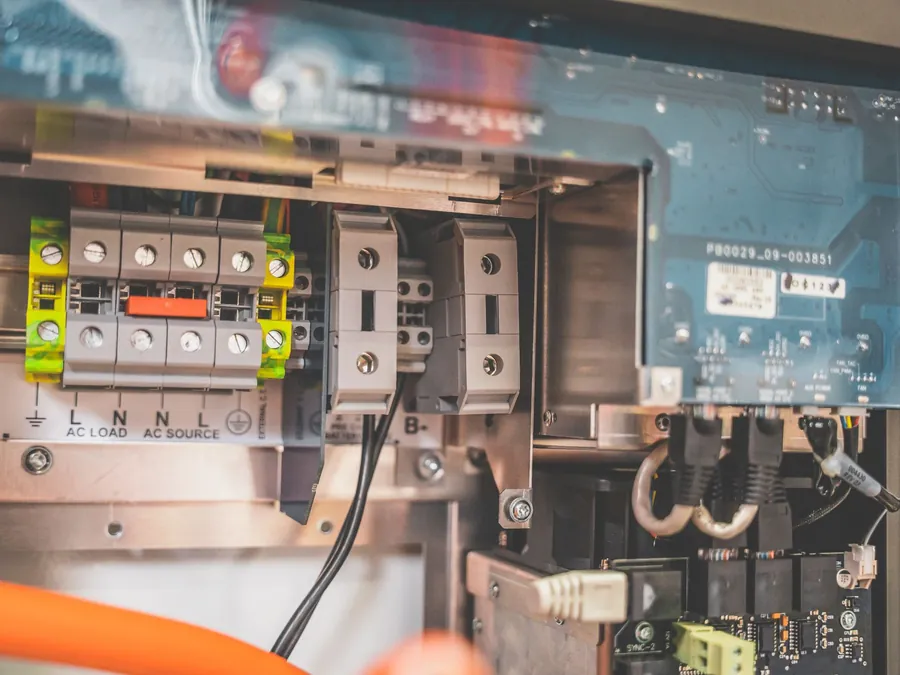
    Every string is tested for insulation resistance, polarity and open-circuit voltage before the inverters are energised. Once SP Electricity North West's conditions are met we commission the system, check export limiting if your connection needs it, and record the results.

  7. 7

    Handover with the paperwork you will be asked for

    You get test certificates, as-built drawings, a fire-strategy note for your insurer and log-ins for the monitoring. We walk the roof with whoever looks after the building, so they know where everything is before the first winter.

Away from the plant room

What to do in Bolton

Bolton on the map

Reviews

What Bolton businesses say about us

We're a new name, so you won't find a wall of reviews here yet. We'd rather show you nothing than make some up.

For a project this size, reviews were never the best evidence anyway. Ask any installer you're considering for a reference site you can visit, a year or more of generation data from a system they fitted, and the grid connection paperwork from a past job. If they can't produce those, keep looking.

What solar costs for a Bolton business

In Bolton the price swings more on the building than on the panels. A clear portal-frame roof with sound sheeting is the cheapest kind of job. A mill can add structural work, conservation-grade fixings, consent drawings and awkward access over several storeys. For smaller systems, DESNZ data for 2025/26 shows 10-50 kW installations in the North West averaging £1,248 per kW, so a 40 kW array lands at roughly £48,000 to £50,000 as a rough guide. Larger arrays usually cost less per kW, though no official figure exists above 50 kW.

Every quote

Fixed price

Solar & battery cost guide

Commercial solar in Bolton: questions we get asked

Do we need planning permission for solar on a Bolton building?

Usually not for a standard industrial roof. Rooftop solar on non-domestic buildings is permitted development under Class J, provided panels stay at least 1 m from the roof edge and do not stand more than 0.2 m proud of a pitched roof or 1 m above a flat one. Arrays above 50 kW need prior approval from Bolton Council on appearance and glare, and the council has 56 days to decide. Listed buildings, including mills such as Swan Lane and Falcon Mill, fall outside permitted development altogether.

Can you put panels on a converted Bolton mill with several tenants?

Yes, but the commercial arrangement takes more thought than the engineering. With several occupiers under one roof, the landlord usually owns the array and either sells the power to tenants or uses it on a shared supply such as common-area lighting and lifts. We can design for either, but the lease terms and metering need agreeing before we draw anything.

What if our roof has asbestos-cement sheets?

HSE treats fibre-cement roofs as fragile until a competent person says otherwise, and falls through fragile surfaces account for 22% of fall-from-height deaths in construction. We would not recommend fixing panels straight onto old asbestos-cement sheeting. The usual routes are over-cladding or re-roofing first, and the solar savings can help justify that work.

Who is the network operator, and how long does a connection take?

SP Electricity North West, which is what Electricity North West has been called since August 2025. Anything over 16 A per phase needs a G99 application. Under the guaranteed standards the network has 45 working days to issue a quotation for low-voltage generation works, or 65 for high-voltage. Reinforcement can stretch the programme, which is why we apply early.

Send us a year of meter data and a roof photo

That is enough for a first view on whether solar stacks up for your Bolton site, and whether the building itself will let it.