
16 November 2026
Commercial Solar For Pubs, Hotels, Shops And Gyms In Greater Manchester
Solar and battery storage for Greater Manchester pubs, restaurants, hotels, gyms, leisure centres and shops: evening load, roofs, listed buildings and 2026 costs.
A pub in Bury, a hotel in Salford, a gym in Stockport and a corner shop in Oldham all pay for electricity at roughly the same kind of rate, and they all have a roof. That’s about where the similarity ends. A south-facing solar array in Greater Manchester makes somewhere between 820 and 900 kWh a year for every kW fitted, almost all of it between mid-morning and late afternoon. A restaurant does its heaviest trade after six. A leisure centre with a pool runs pumps and heating all day, every day. On SP Electricity North West’s network the priciest hour of the day for network charges falls between 4pm and 7pm on weekdays, just as the kitchens fire up. So the case for solar in hospitality, retail and leisure turns on one question more than any other: when does your building actually use power? This guide goes through the main venue types, then roofs, listed buildings, staying open during the work and what sensible systems cost in 2026.
Commercial solar for hospitality, retail and leisure: start with your trading hours
The panels don’t care what you sell. They care when you use the electricity they make, because a unit used on site saves you your full unit rate, while a unit sent to the grid earns a small export payment, if anything.
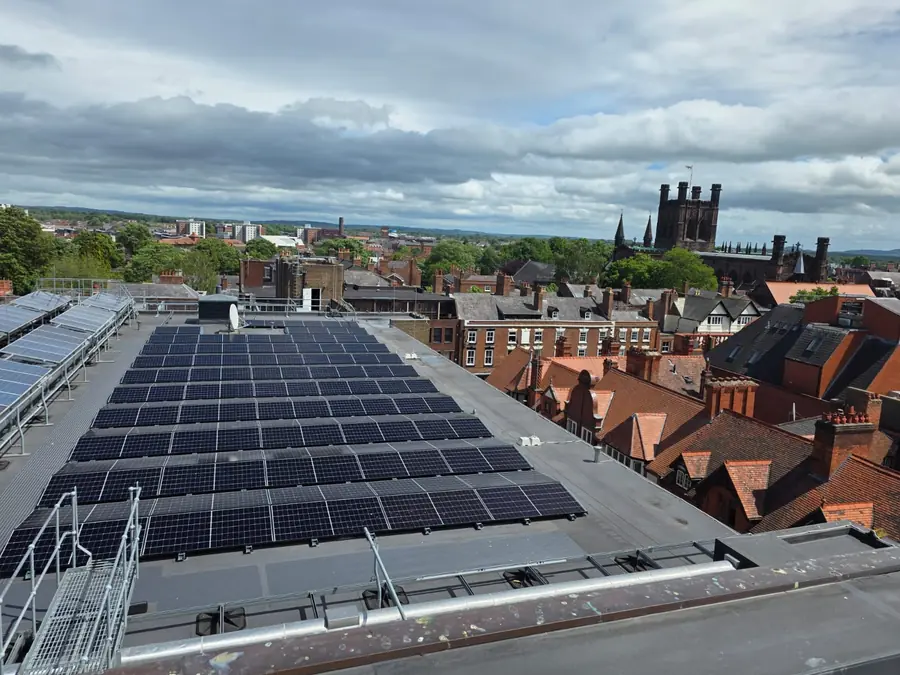
That makes your half-hourly meter data the most useful thing you can send an installer. Most hotels, leisure centres and multi-site operators already have it. A single pub or shop may be on a non-half-hourly meter, in which case a few weeks of smart meter readings or even a clamp-on logger will show the shape of the day. Lay a generation curve for your roof over the top and you can see, in kWh rather than guesses, how much of the output you’d actually keep.
That overlay is where every commercial solar panel installation we design begins, and in this sector the answers swing more than anywhere else.
Evening peaks and all-day loads: how each venue uses power
Hospitality, retail and leisure aren’t one load profile. They’re at least four, and some sit at opposite ends of the clock.
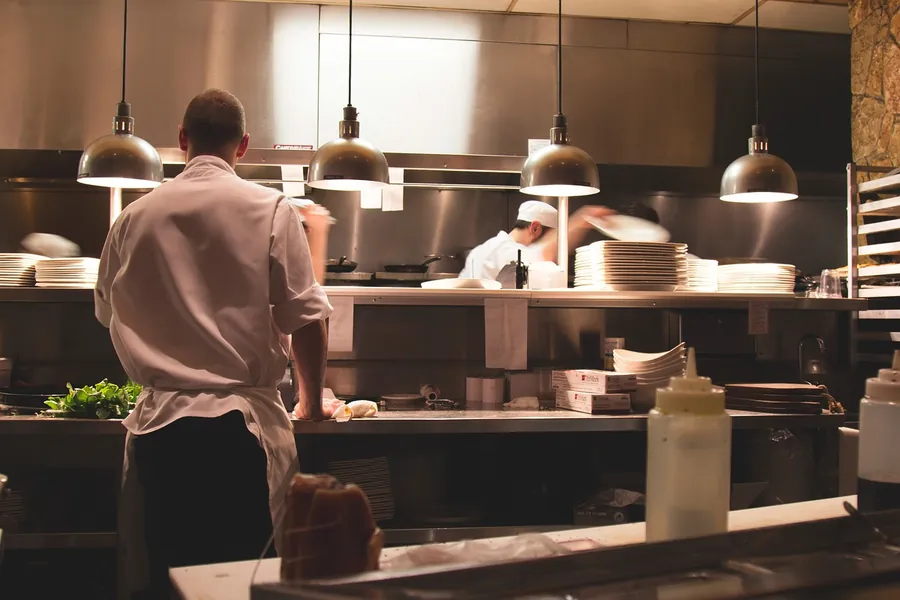
Pubs and restaurants
The bar might be quiet until five, but the building isn’t asleep. Cellar cooling, bottle fridges, glass washers and freezers run day and night, and most kitchens are prepping by late morning. That steady base load is what solar feeds best. The evening rush, with fryers, grills, extraction and lighting all running at once, lands after the panels have tailed off for most of the year. Kitchens on gas see less of that peak on the electricity bill; all-electric kitchens see all of it.
Hotels
Hotels run around the clock with two humps, breakfast and evening. Corridors, lifts, kitchens, laundry and any electric water heating keep a solid daytime load going even when guests are out, which suits solar well. A hotel with a restaurant, function room or spa adds evening demand on top.
Gyms and leisure centres
A gym’s busiest hours are typically early morning and after work, both outside peak generation, but ventilation, lighting and air handling run all day. A leisure centre with a pool is a different animal. Filtration pumps run continuously and pool halls need heating and dehumidification for most of the year, so daytime use is high and steady. Pools are among the best self-consumption cases in the whole sector.
Shops
Retail trades in daylight, which helps. A clothes shop’s load is mostly lighting and heating or cooling during opening hours. Food retail adds refrigeration that never stops, and that’s where solar pays back fastest, since the chillers are working hardest on the same warm, bright afternoons the panels peak.
Sizing a battery for venues that trade after dark
A battery only earns money by moving cheap or free energy into expensive hours. For an evening trade that sounds perfect: charge from the panels at lunchtime, empty into the kitchen at seven. The catch is that both ends have to exist.
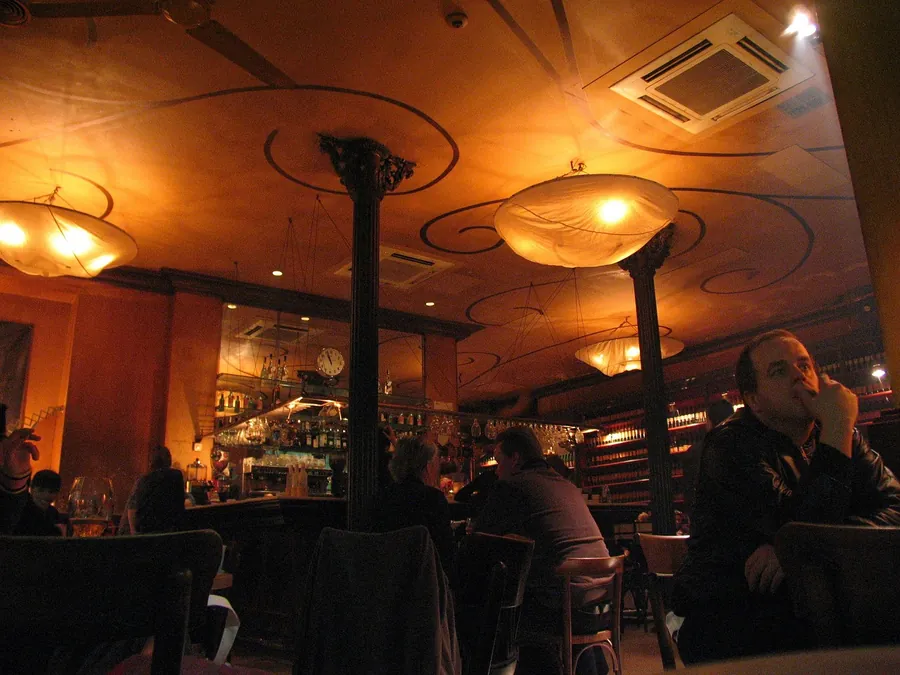
Start with two numbers from your meter data. The first is how much solar you’d spill on a typical day after the building’s own daytime use is covered. The second is how much you draw between about 4pm and 9pm. The useful battery size is close to the smaller of the two. A pub with a small array and a heavy base load may have almost no surplus, so a battery would sit half-empty most days. A hotel or restaurant with a big roof and a busy evening could fill and empty one daily from spring to early autumn.
Winter is the honest limit. In December an array here makes roughly a quarter of its June output, so a battery sized to summer surplus will barely charge from solar between November and February. Some operators top it up overnight from cheap grid power, which changes the tax and export picture, so check that first; our guide to whether a battery is worth it for a Manchester business goes through the tariff arithmetic. A battery can also keep tills, lighting and cellar cooling running through a power cut, but only if it is designed and wired to do that from the start.
Pitched pub roofs, retail units and leased high-street premises
Roofs in this sector are a mixed bag, and the roof often decides the size of the system before the meter data does.
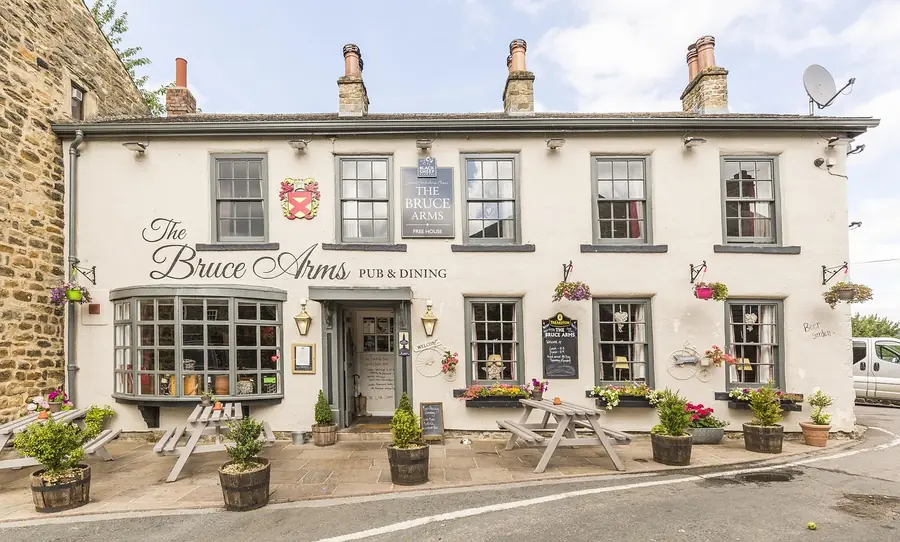
Many Greater Manchester pubs are Victorian or interwar buildings with slate or clay tile roofs, often hipped, broken up by chimneys and split between faces that point in different directions. That usually means a smaller array, sometimes on east and west slopes rather than one south face. East-west output is flatter across the day, which can actually suit a venue that wants more power late in the afternoon. Flat-roofed extensions and function rooms at the back are often easier to use than the main roof.
Retail parks and out-of-town units tend to have profiled steel roofs over a steel portal frame, the same build as a small warehouse. Hotels and leisure centres built since the 1980s often have big flat or low-pitch roofs crowded with air handling plant. Whatever the type, a structural check comes before design, and our guide to whether your roof will take commercial solar covers what the engineer looks at.
Most high-street shops and plenty of pubs are leased, either from a pub company or a private landlord, and the roof usually isn’t yours to drill. Landlord consent, who owns the panels and what happens at the end of the term are the real questions there, and our post on commercial solar on a leased building deals with each of them.
Listed pubs and conservation-area high streets
A good share of the region’s older pubs, coaching inns and town-centre parades are listed or sit inside a conservation area. That doesn’t rule out solar. It changes the route and usually the layout.
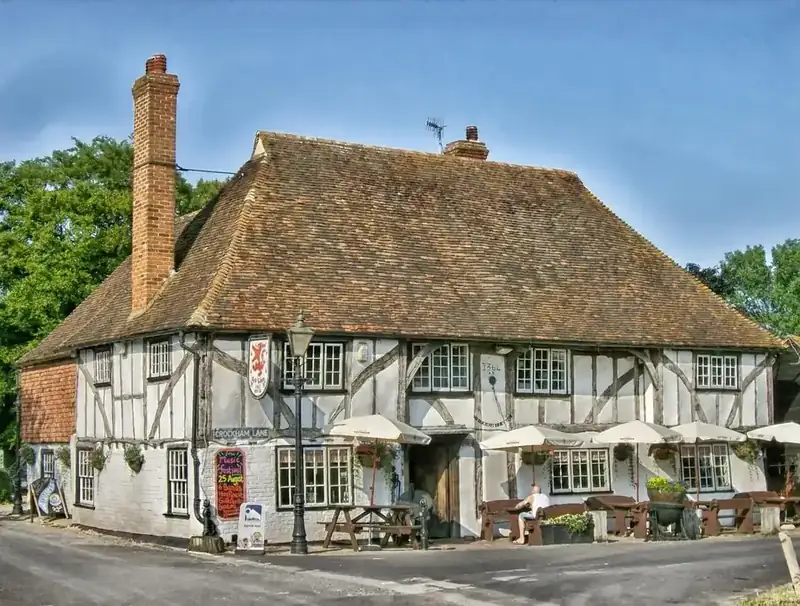
Rooftop permitted development for non-domestic buildings doesn’t apply to a listed building or anything in its curtilage, so a listed pub needs both planning permission and listed building consent. In a conservation area, roof panels aren’t ruled out across the board, but panels on a wall facing the road are, and we’d always check with the council before treating a conservation-area roof as permitted. Our planning guide for Greater Manchester sets out which council handles which borough.
Layout tends to carry the application. Rear roof slopes hidden from the street, flat roofs behind a parapet, or an outbuilding or later extension are much easier to justify than the front pitch of a historic building. Historic England’s guidance on installing solar panels on historic buildings also asks owners to understand the building’s energy use first and cut demand where they can, and it calls for a fire risk assessment and emergency planning as part of the design. A planning officer will expect to see that thinking, so it’s worth doing properly rather than ticking off.
Staying open while the panels go up
Nobody in hospitality can close for a fortnight while a roof is fitted, and nobody should have to. Most of the work happens above people’s heads. The skill is in planning around the trade.
Scaffold is the first thing customers notice. On a town-centre street it often stands on or over the pavement, and that needs a licence from the highway authority. Manchester City Council’s scaffolding permit page says it will respond within 20 working days, charges a £175 administration fee plus a monthly inspection fee that starts at £90, and runs a city-centre embargo with dates confirmed when you apply. The other nine boroughs run their own schemes, so the paperwork needs to start well before the install date. Expect the scaffold to need safe walkways underneath and to stay clear of beer garden exits and fire escapes.
Then the timing. Panel lifts and noisy roof work can go into quiet mornings or a closed day. The electrical tie-in needs a short shutdown, usually a few hours, and that’s the bit to plan hardest: cellar cooling, freezers, card machines and booking systems all need to survive it. An early start before opening normally does the job. A hotel or leisure centre that never closes may need a temporary supply or a phased changeover. Pubs and shops with flats above should tell their tenants too.
Indicative 2026 system sizes, costs and how operators pay
Every building is different, so the sizes below are illustrations of what a typical roof in each category might hold, not past jobs or quotes. The costs come from the government’s own figures rather than our price list.
The DESNZ solar PV cost data for 2025/26 puts 10-50kW installations in the North West at a mean of £1,248 per kW, including installation and connection but not batteries. On that basis:
- Pub or small restaurant, 10-20kW: roughly £12,500 to £25,000. Often limited by a broken-up pitched roof.
- High-street shop or retail unit, 10-30kW: roughly £12,500 to £37,500, depending on how much of the roof is usable.
- Hotel or gym, 30-50kW: roughly £37,500 to £62,500, more where plant has to be worked around.
- Leisure centre with a pool, 50kW and up: no published regional figure to quote, though the price per kW usually eases with scale.
Batteries come on top, and their cost varies too much with size, enclosure and wiring for a fair rule of thumb. Our commercial solar cost guide explains what moves a real quote.
On paying for it, a freehold hotel group can buy outright or use asset finance, while a tenant on a short pub lease may find a power purchase agreement easier, since someone else owns the kit. Our guide to buying, leasing or a PPA compares them, and the tax relief guide covers capital allowances and business rates. For the businesses the other sector guides cover, see offices, schools and care homes and warehouses and factories.
If you run a pub, hotel, shop, gym or leisure centre in Greater Manchester, send us a few weeks of meter data and book a survey.
Frequently asked questions
Is solar worth it for a pub that does most of its trade at night?
It can be, but only at the right size. Even a quiet pub runs cellar cooling, fridges and freezers around the clock, and the kitchen usually starts prep before midday, so a modest array sized to that daytime base load gets used almost entirely. A big array sized to the roof would export much of its output while the bar is quiet. A battery can then move some daytime surplus into the evening, but only if there is surplus to move.
Can we keep trading while solar panels are fitted?
Almost always. Roof work goes on above a building that stays open, and the noisy or disruptive jobs (lifting panels, scaffold going up and down) can be booked for quiet mornings or closed days. The one moment you'll lose power is the electrical connection, which usually takes a few hours and can be planned for before opening. Fridges, cellar cooling and tills should be checked against that window in advance.
Do we need permission for solar on a listed pub or a shop in a conservation area?
For a listed building, yes. Permitted development for non-domestic rooftop solar doesn't apply to listed buildings or their curtilage, so you need planning permission and listed building consent. Conservation areas are less clear-cut: roof-mounted panels aren't ruled out across the board, but wall-mounted panels facing a highway are, and we always check with the council first.
Roughly what does a solar system for a pub or small hotel cost in 2026?
Using the government's 2025/26 cost data, systems of 10-50kW in the North West averaged about £1,248 per kW installed, before any battery. A 15kW pub array would land somewhere around £18,000 to £19,000 on that basis, and a 40kW hotel roof around £48,000 to £50,000. Treat those as a sense check. Roof condition, scaffold, access and the grid connection all move a real quote.
Thinking about solar or a battery for your site?
Send us a year of half-hourly data and we'll tell you, in writing, what size of system makes sense and roughly what it would save. Manchester, Salford, Trafford, Bolton, Wigan and in between.